Two chlorella products can look nearly identical on the label and perform very differently in the body. The difference is not simply how many milligrams are in a dropper, tablet, or scoop. Two chlorella products can look nearly identical on the label and perform very differently in the body. The difference is not simply how many milligrams are in a dropper, tablet, or scoop. It is the makeup of the chlorella cell, how it was grown and processed, and whether the human body can digest and utilize it.
As a naturopathic doctor and Chinese herbalist, I have worked with chlorella for more than two decades. I value it because of the remarkable way the two parts of the chlorella cell work together. The nutritional matrix inside the cell nourishes the body while mobilizing heavy metals, chemicals, pesticides, and other environmental toxins. The cell wall then binds those mobilized toxins so the body can eliminate them.
That two-part function to mobilize, then bind, is what makes chlorella different from most green foods. It is also why the form and processing matter so much.
- The inside of the chlorella cell mobilizes. The cell wall binds.
- The value of chlorella depends on the body being able to use both.
What Is Chlorella and Why Is It Considered a “Superfood”?
Chlorella is a single-celled freshwater green algae. It is often called a superfood because it provides concentrated whole-food nutrition in a very small amount. Its naturally occurring nutrients include complete protein, iron, chlorophyll, carotenoids, essential fatty acids, amino acids, vitamins, minerals, and polysaccharides. Some chlorella products also provide bioavailable vitamin B12, depending on how the algae is grown and processed.
What makes chlorella valuable is not one isolated nutrient. It is the combination of nutrients working together inside the whole cell.
Throughout life, our nutritional needs change. Children and teenagers require nutrients to support rapid growth and development, while adults rely on those same nutrients to support energy production, immune function, cardiovascular health, and normal cellular repair. Chlorella provides concentrated nutrition in a practical form for individuals who do not consistently eat enough green foods.
But nutrition is only part of the story. The structure of the chlorella cell is what gives it its unique ability to both mobilize and bind environmental toxins.
How Chlorella May Support Natural Detoxification and Heavy Metal Binding
The interior of the chlorella cell contains a unique nutritional matrix that has another important job: it helps mobilize heavy metals, chemicals, pesticides, and other environmental toxins from the body’s tissues. Mobilization is the first step. Once those substances have been moved, something must bind to them so they can be carried out of the body.
- Inside The Cell: Provides concentrated nutrition that mobilizes heavy metals, chemicals, pesticides, and other environmental toxins.
- The Cell Wall: Contains sponge material that bind to the mobilized toxins so the body can eliminate them.
Approximately 42% of the chlorella cell wall is composed of three different types of sponge material that act as binding receptors. These receptors attach to the toxins that have been mobilized, allowing them to be carried out through the body’s normal elimination pathways.
Why Micronization Matters
Chlorella has a naturally tough cell wall. That wall protects the algae, but it also makes the whole cell difficult for the digestive system to break down. If the cell wall remains intact, the body has limited access to the nutrients inside. Whole diatomic chlorella can also be difficult to digest and may create sluggish bowels.
This is why I recommend micronized chlorella or cell wall broken as a second option. Proper micronization breaks the cell wall into millions of tiny pieces of cell wall that increase binding power. It also gives the body access to the interior nutritional matrix while retaining the cell wall material needed for binding.
How the chlorella is micronized matters. The goal is not simply to crush the cell. It is to reduce the particle size and open the wall while preserving the nutrients inside. Excessive heat can damage heat-sensitive nutrients, including chlorophyll, carotenoids, and other phytonutrients that contribute to chlorella’s nutritional value.
When chlorella is micronized at very cold temperatures, the nutritional integrity of the interior is better preserved while the particle size is reduced to a highly dispersible form. The body can then reach the vitamins and nutrients that mobilize toxins, and the cell wall can perform its binding function.
- Mobilize: Nutrients inside the cell help mobilize environmental toxins.
- Bind: The cell wall binds to what has been mobilized.
- Eliminate: The body removes what has been bound through urine and stool.
After Chlorella Binds Toxins
Once chlorella has bound heavy metals, chemicals, pesticides, and other environmental toxins, the body still has to eliminate them. They leave through two primary routes: the urine and the stool.
The liver is our thoroughbred. It works around the clock, breaking down toxins into less toxic compounds and determining whether those metabolic toxins will leave the body through the urinary or fecal route.
If the liver is a large filter for our body, if it isn’t functioning optimally or the bowels aren't moving every day, elimination becomes less than efficient. Simply taking more chlorella isn't the answer because the body still has to remove what has been mobilized and bound.
Healthy bowel and liver function are the foundation of healthy detoxification. When these systems are working well, chlorella can complete the sequence it was designed to support: mobilize, bind, and eliminate.
Chlorella's Role in Supporting a Healthy Immune System
The same nutrients that support detoxification also provide the nutritional building blocks needed for normal immune function. The immune system depends on adequate nutrition. Protein provides amino acids used to build immune cells and signaling compounds. Iron supports normal oxygen transport and energy production. Carotenoids, chlorophyll, vitamins, minerals, and polysaccharides contribute to the nutritional environment the immune system needs to function normally.
Promoting Cardiovascular Health and Healthy Cholesterol Levels
Chlorella has also been studied for its role in supporting cardiovascular health and maintaining cholesterol levels already within a healthy range. In one human clinical study, the authors suggested that the improvements they observed in cholesterol levels may have been related to an increase in circulating carotenoids, indicating that nutrients from the chlorella were absorbed and became biologically available.
To me, this type of research is especially meaningful because it recognizes the intelligence of chlorella as a whole rather than attributing its benefits to one isolated ingredient. Plant medicine was humanity's original apothecary, and I believe it is part of the future we are returning to.
Chlorella vs. Spirulina
Chlorella and spirulina are often compared because they are both nutrient-rich algae. While they share some nutritional similarities, in clinical practice, I use them for different purposes. Spirulina is primarily valued for its nutritional profile. Chlorella offers that same nutritional value, but its unique cell structure also allows it to support the mobilization and binding of environmental toxins when it has been properly processed.
Choosing and Taking Chlorella
Chlorella is available as a powder, tablet, capsule, and in liquid formulas. The best delivery form depends on the person taking it, but the delivery form is less important than the quality of the chlorella itself and how it was processed. One of the first things I look at is the smell and color. Your chlorella should smell fresh and clean and be green. If it smells fishy or like spoiled food, it's a processing issue. If it's dark brown, it's a quality issue.
- Powders: Easy to mix into water, juice, smoothies, or food. Powders make it simple to adjust the amount, although the taste may not appeal to every individual.
- Tablets: Convenient and portable, but they can require swallowing, so somewhat difficult for small children and adults who don’t like taking pills. Check the other ingredients used to form and coat the tablet.
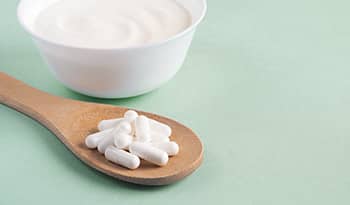
- Capsules: Useful for individuals who prefer not to taste chlorella. Convenient and portable, capsules are less practical for young children and those with an aversion to swallowing pills.
- Liquid formulas: Easy to adjust by drops and mix into a favorite drink. The chlorella should remain well dispersed, and the full ingredient list and processing method still matter.
Regardless of delivery form, look for chlorella that has been properly micronized or broken down, carefully processed to preserve its nutritional integrity, and tested for purity and quality.
Practical Considerations
Chlorella is generally well-tolerated and has been recognized as Generally Recognized as Safe (GRAS) when used as directed.
Because chlorella supports the mobilization and binding of environmental toxins, healthy hydration and regular bowel movements are important. If the bowels aren't moving every day, support healthy bowel function with aloe vera juice, a combination of vitamin C and magnesium, or one of the many Traditional Chinese Medicine herbal formulas that promote healthy bowel movements. Ideally, bowels are moving 1-3 times a day, soft like bananas, 12-14” long, and medium brown.
Follow the directions on the product label. If you know you are sensitive to dietary supplements, begin with a smaller amount and increase as tolerated.
Individuals taking warfarin or other medications affected by vitamin K intake should discuss chlorella with their healthcare practitioner before use. Individuals with an allergy to algae or any ingredient in the finished product should not use it.
Thank you for taking the time to read this article. I hope it encourages you to look beyond the ingredient list and better understand how botanicals work within the body.
Frequently Asked Questions
Is it safe to take chlorella every day?
Chlorella is commonly taken daily when used according to the product directions. The appropriate amount depends on the product, how it was processed, and the individual taking it. If you know you are sensitive to dietary supplements, begin with a smaller amount and increase as tolerated. Speak with a qualified healthcare practitioner if you are pregnant, nursing, taking medication, managing a medical condition, or considering chlorella for a young child.
Can chlorella help with weight loss or metabolism?
Chlorella provides protein, vitamins, minerals, chlorophyll, carotenoids, essential fatty acids, and other nutrients involved in normal energy production and metabolism. It should not be viewed as a weight-loss product. Sustainable weight management still depends on nutrition, movement, sleep, stress regulation, and the individual’s overall health.
Does chlorella detox heavy metals from the body?
Chlorella supports a three-part process: mobilize, bind, and eliminate. The nutritional matrix inside the chlorella cell mobilizes heavy metals, chemicals, pesticides, and other environmental toxins. The cell wall then binds those mobilized substances so they can leave through the urine and stool. Healthy liver function and daily bowel movements remain essential because the body must eliminate what has been mobilized and bound.
What is the best time of day to take a chlorella supplement?
There is no single time of day that is best for everyone, but I generally recommend taking chlorella once in the morning and once in the early to late afternoon rather than at bedtime. Chlorella can be taken with food or mixed into a drink according to the product directions. After chlorella mobilizes and binds environmental toxins, the body still needs time to eliminate them through the urine and stool. I like to allow enough time for at least two full urinations before bedtime.
Can vegans rely on chlorella as a primary source of vitamin B12?
Some chlorella contains vitamin B12, but the amount and form vary according to the strain, growing conditions, and processing. Vegans should not assume every chlorella product provides enough reliable vitamin B12 to meet daily needs. Review the label and use a dependable B12 source recommended by a qualified healthcare practitioner.
Will taking chlorella change stool color?
It can. Chlorella is naturally rich in green pigments, including chlorophyll, and may temporarily make stool appear greener or darker. A color change without other symptoms is generally related to the pigment. Persistent or concerning stool changes should be discussed with a qualified healthcare practitioner.
Can I take chlorella on an empty stomach?
Some individuals tolerate chlorella well on an empty stomach, while others prefer taking it with food or mixed into a drink. Follow the product directions and pay attention to how your body responds. If you know you are sensitive to dietary supplements, begin with a smaller amount and take it with food if that improves tolerance.
Does chlorella interact with blood thinners or other medications?
Chlorella can contain vitamin K, which is important to consider for individuals taking warfarin or other medications affected by vitamin K intake. Anyone taking medication should review chlorella with their healthcare practitioner before beginning it.
Recommended dosage for beginners
Begin with the amount listed on the specific product label. Products differ in concentration, particle size, processing, and delivery form, so there is no universal beginner dose that applies to every chlorella product. If you know you are sensitive to dietary supplements, begin below the full recommended amount and increase gradually as tolerated.
Does chlorella contain chlorophyll?
Yes. Chlorella is naturally rich in chlorophyll, the green pigment plants and algae use during photosynthesis. Chlorophyll is one part of chlorella’s broader nutritional matrix, which also includes protein, iron, carotenoids, amino acids, essential fatty acids, vitamins, minerals, and naturally occurring polysaccharides.
References:
- Panahi Y, Darvishi B, Jowzi N, Beiraghdar F, Sahebkar A. Chlorella vulgaris: a multifunctional dietary supplement with diverse medicinal properties. Curr Pharm Des. 2016;22(2):164-173. doi:10.2174/1381612822666151112145226.
Supports the discussion of chlorella as a nutrient-dense microalga containing protein, fatty acids, polysaccharides, vitamins, and minerals. - Safi C, Zebib B, Merah O, Pontalier PY, Vaca-Garcia C. Morphology, composition, production, processing and applications of Chlorella vulgaris: a review. Renew Sustain Energy Rev. 2014;35:265-278. doi:10.1016/j.rser.2014.04.007.
Supports the article’s discussion of chlorella cell structure, nutritional composition, cultivation, and processing. - Kumudha A, Selvakumar S, Dilshad P, Vaidyanathan G, Thakur MS, Sarada R. Methylcobalamin—a form of vitamin B12 identified and characterised in Chlorella vulgaris. Food Chem. 2015;170:316-320. doi:10.1016/j.foodchem.2014.08.035.
Supports the statement that some chlorella preparations contain a biologically active form of vitamin B12. - Watanabe F, Takenaka S, Kittaka-Katsura H, Ebara S, Miyamoto E. Characterization and bioavailability of vitamin B12 compounds from edible algae. J Nutr Sci Vitaminol (Tokyo). 2002;48(5):325-331.
Supports the need to distinguish among algae species and products when discussing vitamin B12 content and bioavailability. - Merchant RE, Phillips TW, Udani J. Nutritional supplementation with Chlorella pyrenoidosa lowers serum methylmalonic acid in vegans and vegetarians with a suspected vitamin B12 deficiency. J Med Food. 2015;18(12):1357-1362. doi:10.1089/jmf.2015.0056.
Exploratory human evidence that vitamin B12 from the specific chlorella product studied was biologically available. - Ke Y, Chen J, Dai T, et al. Developing industry-scale microfluidization for cell disruption, biomolecules release and bioaccessibility improvement of Chlorella pyrenoidosa. Bioresour echnol. 2023;387:129649. doi:10.1016/j.biortech.2023.129649.
Supports the importance of disrupting chlorella’s cell structure to improve the release, digestion, and accessibility of intracellular nutrients. - Safi C, Ursu AV, Laroche C, et al. Aqueous extraction of proteins from microalgae: effect of different cell disruption methods. Algal Res. 2014;3:61-65. doi:10.1016/j.algal.2013.12.004.
Supports the principle that processing and cell-disruption methods affect the release and recovery of intracellular chlorella components. - Shim JA, Son YA, Park JM, Kim MK. Effect of chlorella intake on cadmium metabolism in rats. Nutr Res Pract. 2009;3(1):15-22. doi:10.4162/nrp.2009.3.1.15.
Animal evidence that chlorella reduced cadmium absorption and retention while increasing fecal and urinary cadmium excretion. It does not establish equivalent effects in humans. - Son YA, Shim JA, Hong S, Kim MK. Intake of Chlorella vulgaris improves antioxidative capacity in rats oxidatively stressed with dietary cadmium. Ann Nutr Metab. 2009;54(1):7-14. doi:10.1159/000199453.
Provides complementary animal evidence concerning chlorella intake during dietary cadmium exposure. - Morita K, Matsueda T, Iida T, Hasegawa T. Chlorella accelerates dioxin excretion in rats. J Nutr. 1999;129(9):1731-1736.
Animal evidence concerning fecal dioxin excretion following chlorella intake. - Morita K, Ogata M, Hasegawa T. Chlorophyll derived from chlorella inhibits dioxin absorption from the gastrointestinal tract and accelerates dioxin excretion in rats. Environ Health Perspect. 2001;109(3):289-294.
Supports a gastrointestinal mechanism involving reduced absorption and increased fecal elimination in an animal model. - Nakano S, Noguchi T, Takekoshi H, Suzuki G, Nakano M. Maternal-fetal distribution and transfer of dioxins in pregnant women in Japan, and attempts to reduce maternal transfer with Chlorella pyrenoidosa supplements. Chemosphere. 2005;61(9):1244-1255. doi:10.1016/j.chemosphere.2005.03.080.
Exploratory human evidence related to chlorella supplementation and maternal transfer of dioxins. - Nakano S, Takekoshi H, Nakano M. Chlorella pyrenoidosa supplementation decreases dioxin and increases immunoglobulin A concentrations in breast milk. J Med Food. 2007;10(1):134-142. doi:10.1089/jmf.2006.023.
Small human study reporting lower breast-milk dioxin concentrations and higher IgA concentrations among women taking chlorella. - Ryu NH, Lim Y, Park JE, et al. Impact of daily chlorella consumption on serum lipid and carotenoid profiles in mildly hypercholesterolemic adults: a double-blinded, randomized, placebo-controlled study. Nutr J. 2014;13:57. doi:10.1186/1475-2891-13-57.
Directly supports the article’s discussion of chlorella, circulating carotenoids, and lipid levels already within or near a healthy range. - Kim S, Kim J, Lim Y, et al. A dietary cholesterol challenge study to assess chlorella supplementation in maintaining healthy lipid levels in adults: a double-blinded, randomized, placebo-controlled study. Nutr J. 2016;15(1):54. doi:10.1186/s12937-016-0174-9.
Human evidence concerning chlorella supplementation and maintenance of serum lipid profiles during a dietary cholesterol challenge. - Fallah AA, Sarmast E, Habibian Dehkordi S, et al. Effect of chlorella supplementation on cardiovascular risk factors: a meta-analysis of randomized controlled trials. Clin Nutr. 2018;37(6 Pt A):1892-1901. doi:10.1016/j.clnu.2017.09.019.
Meta-analysis of 19 randomized trials evaluating cholesterol, blood pressure, blood glucose, triglycerides, HDL cholesterol, and body mass index. - Immune Function
- Kwak JH, Baek SH, Woo Y, et al. Beneficial immunostimulatory effect of short-term chlorella supplementation: enhancement of natural killer cell activity and early inflammatory response. Nutr J. 2012;11:53. doi:10.1186/1475-2891-11-53.
Randomized, double-blind, placebo-controlled human trial evaluating natural killer-cell activity and immune signaling markers. - Halperin SA, Smith B, Nolan C, Shay J, Kralovec J. Safety and immunoenhancing effect of a chlorella-derived dietary supplement in healthy adults undergoing influenza vaccination: randomized, double-blind, placebo-controlled trial. CMAJ. 2003;169(2):111-117.
- National Library of Medicine. Chlorella. In: Drugs and Lactation Database (LactMed®). Bethesda, MD: National Institute of Child Health and Human Development; updated June 21, 2021.
- U.S. Food and Drug Administration. GRAS Notice No. 986: Chlorella sorokiniana powder and Chlorella sorokiniana micro powder. FDA response dated December 21, 2021.
UPOZORNENIE:
Tieto tvrdenia neboli schválené americkým Úradom pre kontrolu potravín a liečiv (FDA). Tieto produkty nie sú určené na diagnostiku, liečbu ani prevenciu chorôb.























































 Obsah